World Kindness Day Coloring Pages for Community Building
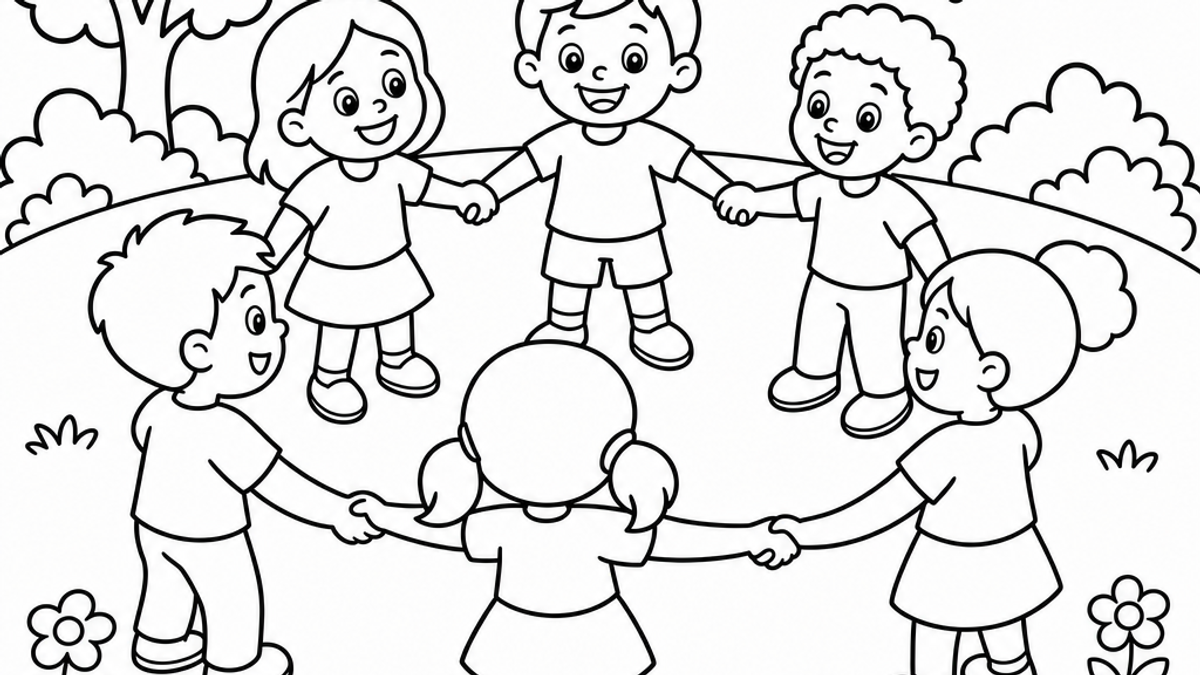
World Kindness Day Coloring Pages for Community Building
It's November 13th and someone in a Facebook group just asked "what even is World Kindness Day and how do I explain it to my 5-year-old without sounding like a Pinterest board." Fair question. World Kindness Day is the annual reminder that small acts matter, holding the door, sharing crayons, noticing when a friend looks sad. You can talk about it, or you can hand a kid a coloring page and let them color their way into the concept.
Teaching Kindness Through Coloring
Coloring a picture of two kids sharing an umbrella lands differently than a lecture about empathy. The kid fills in the raincoat colors, notices the puddle, asks why one kid doesn't have their own umbrella. That question is the whole lesson. You didn't have to say "empathy means understanding someone else's feelings", the page did the work.
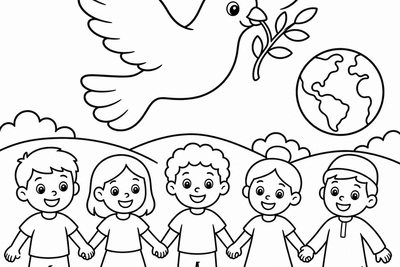
World kindness day coloring pages work because they show the behavior in a scene. A child helping an older neighbor carry groceries. Two friends comforting someone who fell off the swing. A family adopting a rescue dog. Kids color the details and absorb the pattern: noticing + small action = kindness.
Pair the coloring with a single question while they're mid-page. "What do you think happened right before this?" or "How do you think the person in the red shirt feels?" No need for a formal debrief. The brief chat while they're picking colors is the social-emotional learning moment.
Kindness Coloring Pages for Kids by Age
For preschoolers (ages 3 to 5), pick pages with one or two figures and a clear action. A kid handing a flower to their teacher. Two toddlers building a block tower together. Thick lines, open faces, minimal background. At this age they're learning to recognize kind behavior, not analyze it.
Elementary students (ages 6 to 8) can handle multi-step kindness scenes. A group cleaning up a park. Kids making cards for hospital patients. A classroom welcoming a new student. These pages invite discussion about community helpers, cooperative tasks, and why certain actions make groups work better. (We once watched a second-grader spend ten minutes deciding the welcome sign should say "you belong here" in rainbow letters. Kindness and glitter, both valid.)
Toddlers need the simplest version: two friendly faces, one shared object. A child offering a crayon. Two kids holding hands. That's the whole concept at age 2. If they color it and smile, you're done.
Emily Rodriguez
Primary School Teacher
Emily has been teaching for 12 years and loves incorporating creative activities into her classroom curriculum.